

TL;DR
A Myobrace is a preventive, pre-orthodontic appliance designed to address the underlying causes of crooked teeth and jaw misalignment rather than simply moving teeth into position.
- Targets the root causes of bite and jaw alignment issues
- Focuses on breathing, tongue posture, and muscle habits
- Most effective during childhood growth years (ages 3–15)
- May reduce the need for extensive orthodontics later
- Requires proper diagnosis and patient compliance
Braces are usually the first thing that come to mind when someone says the word orthodontics. While braces can move teeth effectively, they do not always address the underlying causes of misaligned teeth. In many cases, braces treat the symptom rather than the root issue. That is where Myobraces come in.
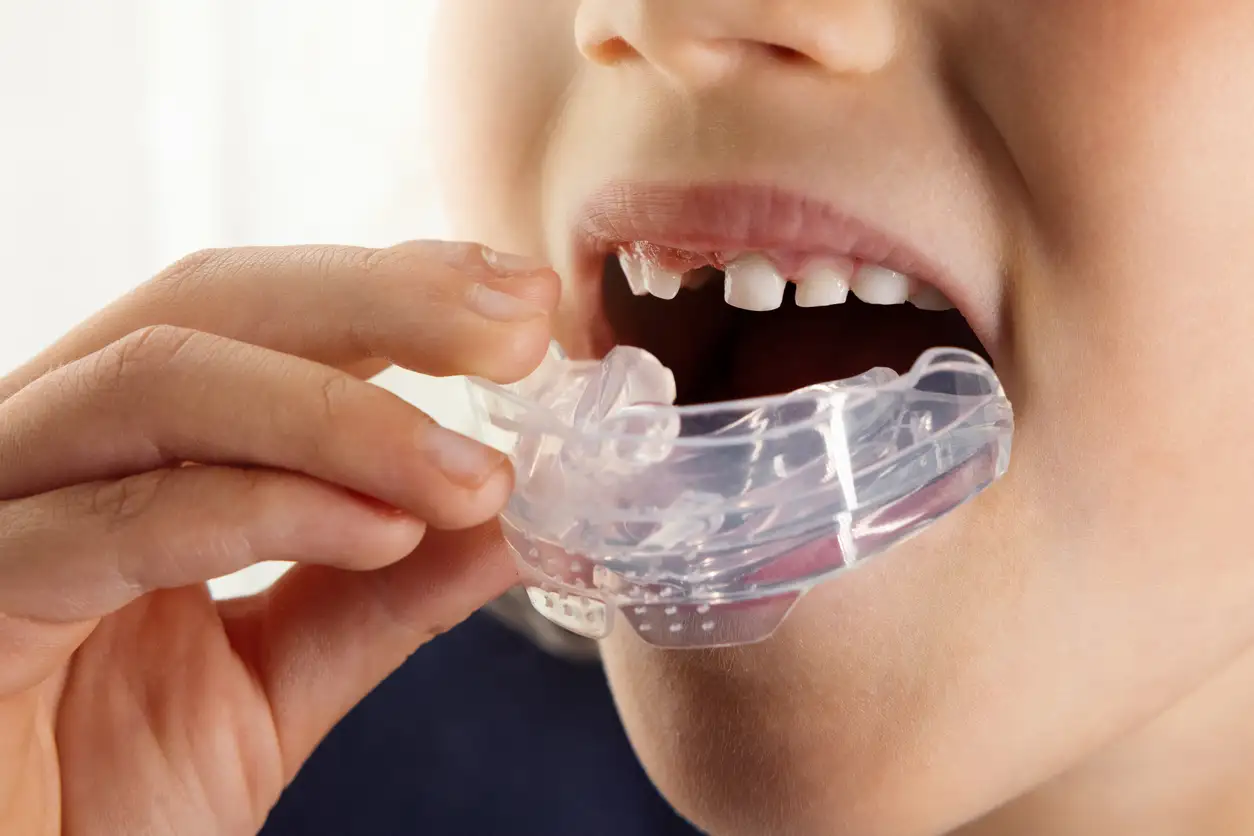
A Myobrace is a removable orthodontic appliance designed to correct poor oral habits in children and guide natural jaw development. Myobraces are commonly used before traditional orthodontic treatment and, in some cases, can reduce or eliminate the need for braces altogether.
How Does a Myobrace Work?
Traditional braces are effective at straightening teeth, but they are typically used after permanent teeth have erupted and may leave developmental issues unaddressed. Without permanent retention, teeth can also shift back over time.
Myobrace appliances apply gentle, intermittent, removable forces to correct oral habits early, often before they develop into more complex orthodontic problems. Treatment focuses on breathing, tongue posture, swallowing patterns, and jaw growth rather than simply tooth movement.
Results, Cost, Age Guidelines, and More
Parents often ask about Myobrace before and after results. Improvements may include better jaw alignment, enhanced facial balance, and increased space for permanent teeth to erupt naturally.
Outcomes depend heavily on age and compliance. Myobrace treatment is generally most effective for children between the ages of 3 and 15 who consistently wear the appliance as directed.
What Is the Cost of Myobrace Appliances?
The cost of Myobrace appliances varies depending on treatment duration, the number of appliances used, and provider-specific factors such as location and diagnostic approach. An in-office evaluation is the best way to determine an accurate treatment estimate.
Tooth Pillow vs Myobrace: Which Is Better?
Tooth pillows and Myobraces both aim to address poor oral habits like mouth breathing and improper tongue posture. However, they differ significantly in structure, oversight, and treatment scope.
Myobraces are clinically guided orthodontic appliances used as part of a structured treatment plan. Tooth pillows are typically self-directed, over-the-counter devices without professional monitoring. For comprehensive jaw and airway development, Myobraces offer a more complete solution.
Could Your Child Benefit from Myobraces?
If you are concerned about your child’s jaw development, airway health, or oral habits, a professional evaluation can help determine whether Myobrace treatment is appropriate. Advanced diagnostics at our North Carolina offices allow us to identify underlying issues and recommend the most effective oral appliance options for your family.